01 · Local marketSEO shaped for Australian search
Paid media for Canada begins with two controls that many cross-border account structures miss: Bill 96 and CASL. If an advertisement targets Quebec, the Charter of the French Language as amended by Bill 96 can change the language required in creative, extensions, lead forms and the landing page. We identify Quebec campaigns at architecture stage, separate language assets and require an approved French review before launch. CASL affects what happens after a click. A platform lead form or website form does not automatically permit unrelated commercial email, so the campaign specifies the messages requested, captures express consent and preserves the consent record. Campaign planning then addresses Canada’s regional economics and platform journeys. Google Ads can capture demand on Google.ca, while Meta can introduce an offer or support consideration. Property advertising may sit beside Realtor.ca, retail acquisition can interact with Amazon.ca and Shopify, and Kijiji can matter for selected local or classified categories. Accounts are organized around provinces, service areas, product groups and business actions only where the client can use those distinctions. Search terms, exclusions, location settings, placement quality, creative wear, audience sources, landing-page consistency and tracking gaps are reviewed. Copy uses Canadian English, including colour and behaviour alongside organize and optimize. Budgets, service fees and reporting remain in CAD. Canada’s time-zone spread requires explicit handoffs: Atlantic and Newfoundland reviews can occur earlier in the Manila evening, while Mountain and Pacific mornings require later windows. The operating plan names decision makers and response periods rather than suggesting every market receives live coverage at once.
02 · ComplianceCanadian PPC launch gates led by Bill 96 and express consent
Bill 96 changes paid campaign delivery by requiring a language decision before Quebec is included in location targeting. Advertisements, extensions, platform forms, destination pages, checkout prompts and customer notices are reviewed as one journey. French assets receive qualified review, and a campaign is not allowed to reach Quebec merely because an English national audience setting happens to include it. CASL imposes an express-consent standard for commercial email and is among the strictest anti-spam regimes. Lead forms must say what communication will follow, store the consent event and avoid preselected language that treats an enquiry as permission for unrelated promotions. The Competition Bureau affects price claims, discounts, comparisons, product performance and the overall impression of the advertisement and landing page. PIPEDA changes customer-list uploads, audience matching, conversion tracking and lead-data access; the source, purpose and approved users are documented. Health Canada alters campaigns for drugs, natural health products, devices and therapeutic claims, so keywords, creative and destination content receive category review. Provincial law society rules affect legal-service advertising, including claims about expertise, fees, comparisons and outcomes. These requirements become campaign exclusions, language variants, evidence fields, consent tests, audience controls, named approvals and launch gates rather than notes added after media has begun spending.
03 · ProofResults from our client work
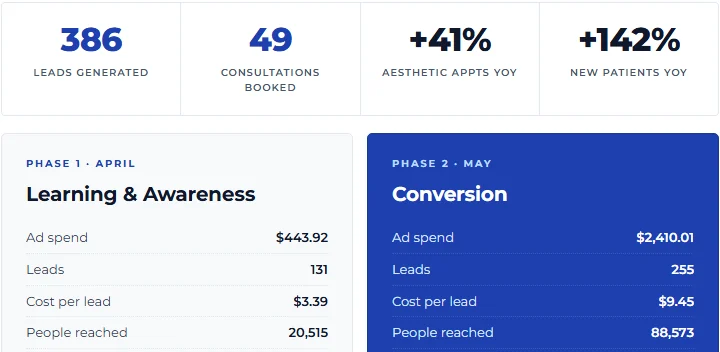
See the anonymous client results directly below, with the market, date range and source on each case study.
04 · PricingPPC pricing in CAD
Comparable local agency rangeCAD $5,000 to CAD $15,000
BX starting priceFrom USD 600 per month plus ad spend (about CAD 800)
Local-currency figures are approximate and follow the exchange rate on the invoice date.
BX PPC management starts at USD 600 per month, plus ad spend. The final fee depends on platforms, markets, campaign scope, creative support, tracking and reporting.