01 · Local marketSEO shaped for Australian search
A United Kingdom content programme should answer a commercial or customer question that the organisation can support with evidence. Publishing volume alone does not establish authority in a market where readers can compare specialist advice, regulator guidance, review platforms and established media before they contact a supplier. We begin with sales conversations, search language, existing material, subject-matter access and the point at which a reader needs clarification. A solicitor may need useful explanations governed by SRA review, a healthcare provider may require carefully approved patient information, and a financial business may need educational material that remains inside its FCA permissions. Property content can complement rather than imitate Rightmove and Zoopla. Retail material may support product discovery across Google.co.uk, Amazon.co.uk, eBay UK or an owned shop offering Klarna. Service organisations can use Trustpilot or Checkatrade evidence only with proper permission and context. Briefs use British English and an -ise house style, with UK dates, currency, spelling and terminology checked throughout. Every asset receives an audience, purpose, evidence source, reviewer, distribution plan and intended next action. Long-form guides can support search and sales, while newsletter and social versions require their own framing. Interviews and approvals use the natural overlap between the UK morning and Manila afternoon. A full UK morning can be covered without anyone working a night shift, leaving Manila production time after decisions are recorded. That workflow supports deliberate editorial work but does not promise instant responses through the entire UK day.
02 · ComplianceActive UK advertising enforcement built into editorial production
The ASA and CAP Code carry substantial weight for UK content because enforcement is more active than in many markets and promotional material does not escape scrutiny by adopting an editorial tone. We decide whether the asset is marketing, identify objective claims, preserve supporting evidence and test the overall impression before publication. Comparisons, testimonials, influencer relationships, environmental statements, price explanations and likely outcomes need suitable substantiation and prominent qualifications. FCA financial promotions rules alter who approves financial content, how risk is presented, how incentives are described and whether general education has crossed into a restricted promotion. CQC requirements, GMC duties and GDC standards shape healthcare articles, practitioner profiles, patient accounts and treatment claims; the responsible UK professional reviews clinical statements before release. SRA obligations affect legal guides, case descriptions, service comparisons and language about likely outcomes. UK GDPR changes how interview material, customer stories and gated resources are collected and retained. PECR governs cookies and email consent around newsletters or downloaded resources, including the relationship between the requested asset and later marketing. Ofcom is relevant where content concerns regulated communications or broadcasting services and the client’s approved customer-information process applies. These obligations become source notes, claim registers, permission records, named reviewers and publication gates within the editorial workflow.
03 · ProofClosest results from other markets
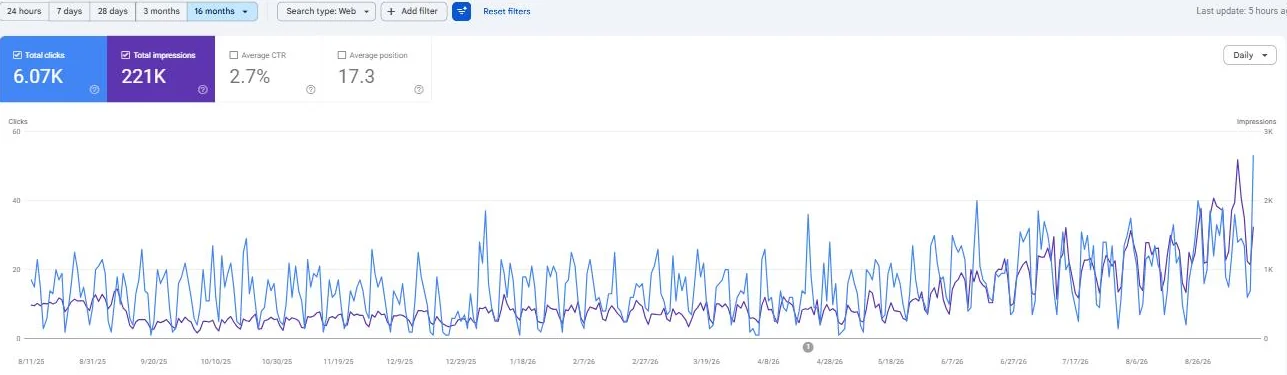
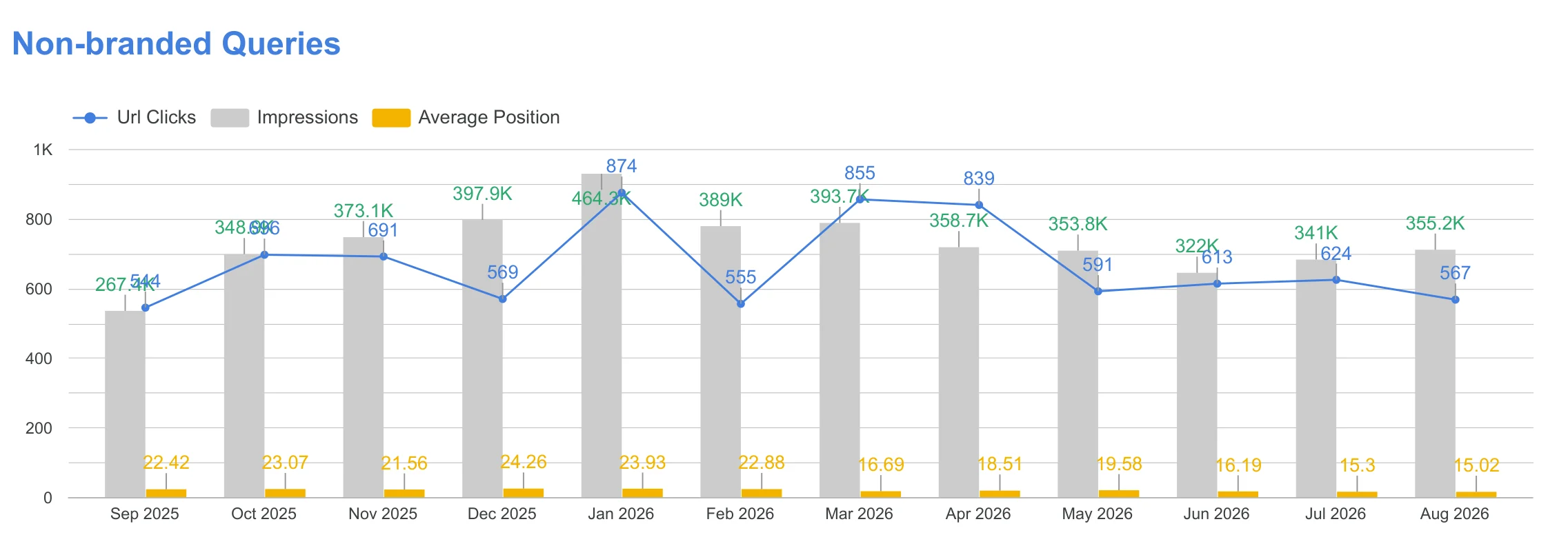
See the anonymous client results directly below, with the market, date range and source on each case study.
04 · PricingContent marketing pricing in GBP
Comparable local agency rangeGBP £3,000 to GBP £9,000
Content marketing is quoted per scope. Pricing depends on research depth, formats, subject-matter access, production volume, review requirements and distribution.