01 · Local marketSEO shaped for Australian search
Search work for a United Kingdom business starts by deciding which market the website can genuinely serve. A national software provider, a London professional-services firm, a regional trades business and a multi-branch healthcare group need different relationships between service pages, location content and reputation platforms. Google.co.uk is the main search environment, but the route to an enquiry may also pass through Checkatrade or Trustpilot. Property research is strongly shaped by Rightmove and Zoopla, while retail discovery can move between Amazon.co.uk, eBay UK and the client’s own store. We map those journeys before recommending page types or search themes. Technical review covers crawling, indexation, rendering, internal links, structured data, page experience and template behaviour. Search research uses British English with an -ise house style and separates useful buying intent from broad volume that cannot support the client’s offer. For local work, the plan distinguishes nations, regions, cities and service areas without producing near-identical pages. For e-commerce, category architecture, product information, merchant feeds and the role of Klarna receive their own checks. Reputation content is assessed against the source and permission behind it, not merely the rating displayed by a third-party platform. Collaboration uses the natural working-day overlap. Manila is eight hours ahead on GMT and seven hours ahead during BST, so Manila afternoon covers a full UK working morning without requiring a night shift. Planned questions, approvals and prioritisation can happen during that window, followed by active production while the UK team continues its day. This is a defined morning service period rather than a promise of round-the-clock response.
02 · ComplianceUK search publishing controls tied to claims, consent and professional rules
SEO pages are advertising when they promote a product, service or professional outcome, so the ASA and CAP Code affect titles, comparison pages, reviews, testimonials, price statements and the overall impression created by organic landing pages. Claims need appropriate evidence before publication, significant qualifications must remain prominent and material commercial relationships cannot be hidden. The review covers metadata and structured data as well as visible copy because a misleading search result cannot be corrected by quieter wording lower on the page. FCA financial promotions rules change keyword selection, benefit language, risk context, approval records and the treatment of past performance for regulated financial businesses. Healthcare work is classified with the client before drafting: CQC requirements affect provider presentation, while GMC and GDC rules shape practitioner claims, credentials, testimonials and promotional boundaries for doctors and dental professionals. SRA rules influence solicitors’ service pages, comparisons, pricing information and statements about likely legal outcomes. UK GDPR changes what enquiry forms collect and how analytics or audience data is documented. PECR affects cookies and electronic follow-up, so consent choices, tags and email journeys connected to organic landing pages are reviewed together. Ofcom is included where the client operates in communications, broadcasting or another area within its remit; relevant claims and customer information then follow the client’s approved regulatory process. These obligations become source notes, named reviewers, consent dependencies and publication checks within the SEO backlog.
03 · ProofResults from our client work
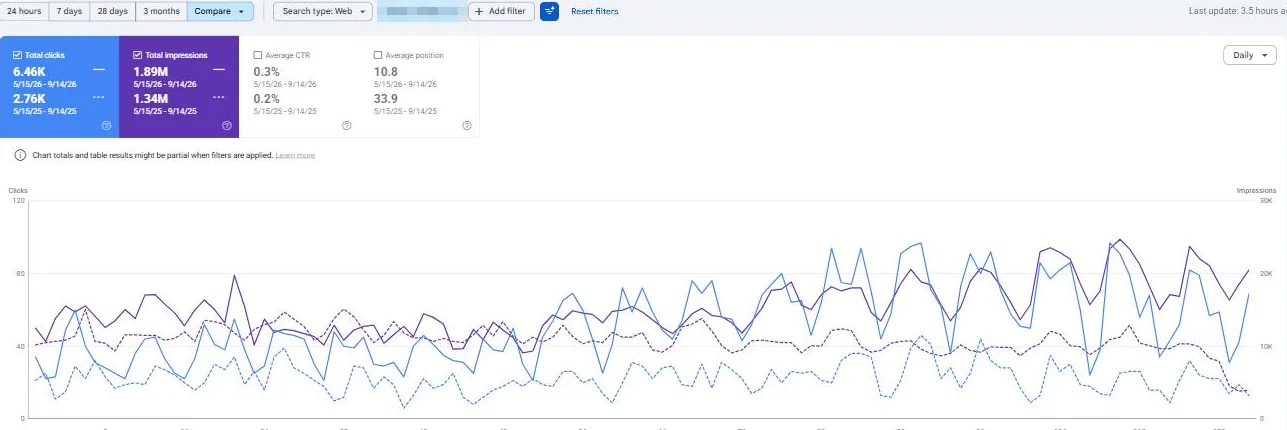
See the anonymous client results directly below, with the market, date range and source on each case study.
04 · PricingSEO pricing in GBP
Comparable local agency rangeGBP £3,000 to GBP £9,000
BX starting priceFrom USD 800 per month (about GBP 600)
Local-currency figures are approximate and follow the exchange rate on the invoice date.
BX SEO services start at USD 800 per month. Final pricing depends on site scope, target markets, technical priorities, content requirements and reporting.